Obsidian: The Futuristic Font for Modern Design
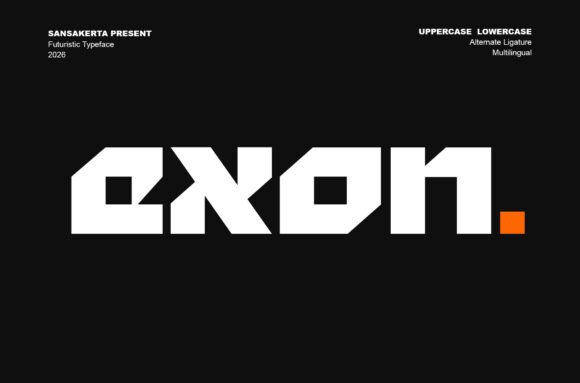
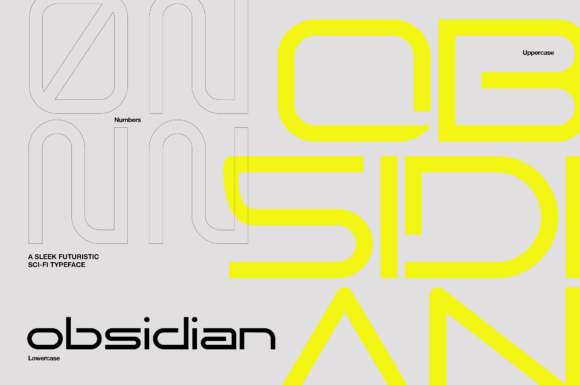
When it comes to typography, the right font can make all the difference. Obsidian is a standout choice for those looking for a clean, minimal, and futuristic typeface that works across a wide range of applications. Whether you're designing a website, creating branding materials, or working on a film title, Obsidian offers a versatile and modern aesthetic that fits seamlessly into various projects.
Designed with a focus on clarity and functionality, Obsidian is more than just a stylish font—it's a powerful tool that can elevate your design work. Its sleek lines and balanced structure make it ideal for both digital and print media, ensuring that your message is communicated effectively and visually appealing.
What Makes Obsidian Unique?
Obsidian stands out in the world of typography due to its distinctive characteristics. It features a sans-serif design that exudes a sense of modernity and sophistication. This makes it particularly well-suited for headlines, editorials, and other high-impact text elements where visual clarity is essential.
The font’s minimalistic approach allows it to blend effortlessly into different design contexts without overpowering the content. Its consistent stroke width and geometric precision contribute to a clean and professional look that appeals to a broad audience. Whether used in web design, social media, or packaging, Obsidian maintains a strong visual presence while remaining unobtrusive.
One of the key strengths of Obsidian is its readability. Despite its futuristic feel, the font remains highly legible even at smaller sizes. This makes it an excellent choice for body text in digital formats such as websites, apps, and e-books. Its ability to maintain clarity across various mediums ensures that your designs remain effective and accessible.
Where Can You Use Obsidian?
Obsidian’s versatility makes it suitable for a wide array of applications. From branding and editorial design to web and mobile interfaces, this font can be adapted to meet the needs of different projects. Let’s explore some of the common use cases for Obsidian:
- Branding: Obsidian is perfect for creating a strong visual identity. Its clean and modern appearance can help establish a professional and forward-thinking brand image.
- Web Design: As a display font, Obsidian can be used for headings and titles on websites. Its bold and structured style adds a touch of elegance while maintaining readability.
- Social Media: With the rise of visual content, fonts like Obsidian are increasingly popular for creating eye-catching posts and graphics. Its futuristic look aligns well with contemporary design trends.
- Apparel and Merchandise: Obsidian is often used on t-shirts, hoodies, and other apparel items. Its bold and stylized appearance makes it a great choice for statement pieces.
- Movie Titles and Posters: The font’s clean and sophisticated look is ideal for movie posters and title sequences. It conveys a sense of professionalism and cinematic flair.
These applications highlight how Obsidian can be integrated into different creative fields. Its adaptability ensures that it remains relevant and useful across various industries and design disciplines.
Who Benefits from Using Obsidian?
Obsidian is not just for designers—it’s a valuable resource for anyone involved in visual communication. Here are some of the professionals and businesses that can benefit from using this font:
- Graphic Designers: For those who need a reliable and stylish font for their projects, Obsidian offers a fresh and modern alternative to traditional typefaces.
- Business Owners: Entrepreneurs and small business owners can use Obsidian to create a professional and cohesive brand identity that stands out in a competitive market.
- Content Creators: Bloggers, YouTubers, and social media influencers can leverage Obsidian to enhance the visual appeal of their content and engage their audience more effectively.
- Web Developers: When building websites, developers can use Obsidian to add a unique and stylish touch to their designs without compromising on readability or performance.
- Students and Educators: In academic settings, Obsidian can be used for presentations, reports, and educational materials to convey information in a clear and visually engaging manner.
Whether you’re a seasoned designer or a newcomer to the field, Obsidian provides a flexible and powerful solution that can enhance your work and support your creative goals.
Strengths and Considerations
While Obsidian has many advantages, it’s important to consider its limitations and practical expectations. One of the main benefits of this font is its clean and minimal design, which makes it highly adaptable. However, its simplicity may not be suitable for every project. If you're looking for a more ornate or decorative typeface, Obsidian might not be the best fit.
Another consideration is the font’s weight and spacing. While it’s optimized for readability, certain variations may require adjustments to ensure proper alignment and visual balance. Users should also be mindful of licensing agreements when using Obsidian in commercial projects to avoid any legal issues.
Despite these considerations, Obsidian remains a strong choice for most design projects. Its combination of style, functionality, and versatility makes it a valuable asset for creators and professionals alike.
Real-World Applications of Obsidian
To better understand how Obsidian can be applied in practice, let’s look at a few real-world examples:
- Startup Branding: A tech startup might use Obsidian for its logo and website to convey a sense of innovation and modernity. The font’s clean lines and futuristic feel align well with the company’s vision.
- Online Magazine: A digital publication could use Obsidian for headlines and section titles to create a visually striking layout that draws readers in and enhances the overall reading experience.
- Product Packaging: A consumer goods company might incorporate Obsidian into its product labels and packaging to create a sleek and professional appearance that appeals to modern consumers.
- Corporate Presentations: Businesses can use Obsidian in PowerPoint or Keynote slides to present data and ideas in a clear and impactful way that resonates with audiences.
These examples illustrate how Obsidian can be used creatively and effectively in different contexts. Its flexibility and strong visual appeal make it a go-to choice for many designers and businesses.
How to Evaluate if Obsidian Is Right for Your Project
Before deciding to use Obsidian, it’s important to evaluate whether it meets your specific needs. Here are a few steps to consider:
- Define Your Goals: What is the purpose of your project? Are you looking for a bold statement font or something more subtle? Understanding your objectives will help determine if Obsidian is a good fit.
- Test the Font: Try using Obsidian in different sizes and contexts to see how it performs. Test it on both digital and print media to ensure it meets your quality standards.
- Consider Your Audience: Who will be viewing your work? A younger, tech-savvy audience may respond well to Obsidian’s futuristic look, while a more traditional audience may prefer a classic typeface.
- Check Licensing: Make sure you have the appropriate license for commercial use. Some fonts come with restrictions that may affect how they can be used in your projects.
By taking these factors into account, you can make an informed decision about whether Obsidian is the right choice for your design needs.
Obsidian is more than just a font—it’s a powerful tool that can enhance your design work and communicate your message effectively. With its clean, minimal, and futuristic aesthetic, it offers a versatile solution for a wide range of applications. Whether you're a designer, business owner, or content creator, Obsidian provides a strong and stylish option that can elevate your projects and help you stand out in a competitive landscape.