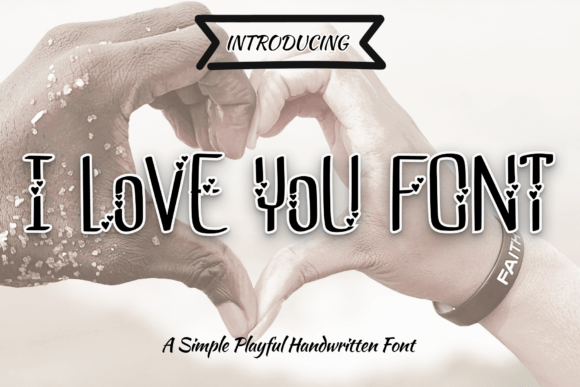
I Love You: A Heartfelt Journey Through the I Love You Font
The phrase "I love you" carries a weight that transcends language, culture, and time. It is a declaration of emotion, a simple yet profound expression that has been etched into the fabric of human connection. When this sentiment is rendered in the I Love You font, it transforms from a mere phrase into a visual representation of affection, intimacy, and sincerity. This unique typeface, with its soft curves and warm, handwritten style, adds an extra layer of meaning to every word it conveys.
Designed for those who seek to infuse their creative projects with a personal touch, the I Love You font is more than just a stylistic choice—it's a tool that bridges the gap between words and emotions. Its charm lies in its ability to evoke a sense of closeness, making it ideal for a wide range of applications where authenticity and warmth are essential.
Understanding the I Love You Font
The I Love You font is characterized by its fluid, almost calligraphic structure. Each letter is crafted to resemble a hand-drawn script, giving it a natural and organic feel. This aesthetic makes it particularly well-suited for designs that aim to communicate sincerity and vulnerability. Unlike rigid, mechanical fonts, the I Love You font feels like it was written with care, as if someone took the time to express their feelings on paper.
One of the most notable features of this font is its versatility. While it may appear delicate at first glance, it can be adapted to various design contexts without losing its core identity. Whether used in large-scale typography or smaller text elements, the font maintains its readability and emotional resonance. This adaptability makes it a valuable asset for designers, writers, and creators who want to maintain a consistent tone across different mediums.
The font also offers a range of stylistic variations, allowing users to choose the version that best suits their project's needs. Some iterations emphasize a more casual, informal look, while others lean into a more refined and elegant appearance. This flexibility ensures that the I Love You font can be tailored to fit a variety of creative visions, from intimate love notes to grand romantic gestures.
Applications of the I Love You Font
The I Love You font finds its place in a multitude of creative and practical scenarios. One of the most common uses is in wedding invitations, where it helps set the tone for a celebration of love. Couples often opt for this font to add a personal and heartfelt element to their stationery, making the event feel more meaningful and authentic.
Valentine’s Day cards are another popular application of the I Love You font. Whether it's a simple message of affection or a more elaborate poetic expression, the font enhances the emotional impact of the words. Its warm, handwritten quality makes it feel like a genuine message from the heart, rather than a generic greeting.
In addition to traditional formats, the I Love You font is also widely used in digital media. Social media posts, blog headers, and website banners often incorporate this font to create a visually appealing and emotionally resonant presence. For brands that want to connect with their audience on a deeper level, using the I Love You font can help convey a sense of sincerity and approachability.
Another growing area of use is in branding and marketing materials. Companies that focus on relationships, such as dating services, relationship counseling, or even luxury gift shops, frequently utilize the I Love You font to reinforce their brand identity. By aligning their visual elements with the emotional tone of the font, these businesses can create a stronger connection with their target audience.
Advantages of Using the I Love You Font
One of the primary advantages of the I Love You font is its ability to evoke emotion. In a world where digital communication often lacks the warmth of face-to-face interaction, this font serves as a reminder of the power of personal expression. It allows users to convey their feelings in a way that feels genuine and heartfelt, which can be especially important in sensitive or intimate contexts.
Another benefit is its ease of use. Despite its intricate design, the I Love You font is compatible with most design software and platforms, making it accessible to both professional designers and casual users. Whether you're working with graphic design tools like Adobe Illustrator or Canva, or simply creating a message in a word processor, the font is straightforward to implement and customize.
The font also contributes to a cohesive visual identity. When used consistently across different design elements, it helps create a unified look that reinforces the theme of love and affection. This consistency is particularly valuable for businesses or individuals who want to maintain a strong and recognizable brand image.
Moreover, the I Love You font stands out in a crowded design landscape. With so many fonts available, it can be challenging to find one that truly captures the essence of a particular message. The I Love You font, with its distinct character and emotional appeal, offers a refreshing alternative that can make a design feel more personal and meaningful.
Considerations When Using the I Love You Font
While the I Love You font is highly effective in many situations, it is not always the best choice for every project. Its handwritten style may not be suitable for formal or corporate environments where a more structured and professional look is required. In such cases, a more traditional serif or sans-serif font might be more appropriate.
Readability is another factor to consider. Although the font is generally legible, its stylized nature can sometimes make it difficult to read in small sizes or when used in dense blocks of text. Designers should ensure that the font is used in a way that maintains clarity and accessibility, especially when the content is meant to be easily understood.
Additionally, users should be mindful of licensing and usage rights. While many fonts are freely available for personal use, commercial projects may require a license or purchase. It is important to verify the terms of use before incorporating the I Love You font into any public or commercial work.
Finally, the font's emotional tone should be considered in relation to the intended message. While it is excellent for expressing love and affection, it may not be the best fit for more neutral or business-oriented content. Understanding the context in which the font will be used is essential to ensuring that it enhances, rather than detracts from, the overall message.
Conclusion
The I Love You font is more than just a stylistic choice—it is a powerful tool for expressing emotion and connecting with others. Its warm, handwritten style makes it ideal for a wide range of applications, from personal messages to professional branding. By understanding its characteristics, advantages, and considerations, users can make informed decisions about how to best utilize this unique typeface in their creative work.
Whether you're designing a wedding invitation, crafting a Valentine's Day card, or developing a brand identity, the I Love You font offers a distinctive and heartfelt way to convey your message. In a world that often prioritizes efficiency over emotion, this font reminds us of the beauty of personal expression and the enduring power of love.