Canggu: A Versatile Handwritten Font for Modern Design
When it comes to choosing the right font for your design projects, the options can be overwhelming. However, one standout choice that has gained popularity across various industries is Canggu. This gorgeous handwritten font offers a unique blend of elegance and personality, making it an ideal choice for a wide range of applications. Whether you're working on clothing, branding, posters, or wedding invitations, Canggu brings a fresh and authentic touch to your designs.
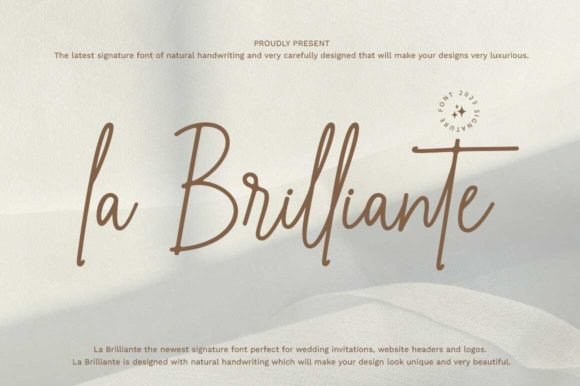
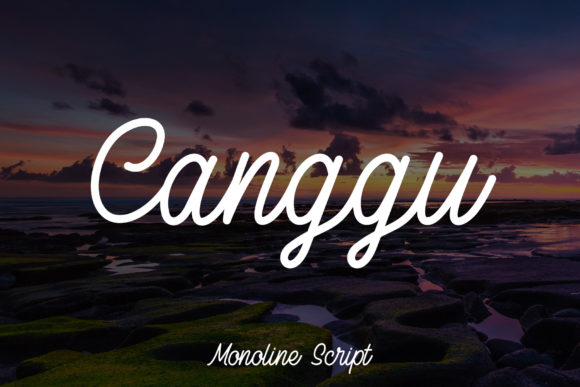
The appeal of Canggu lies in its natural, hand-drawn aesthetic. Unlike many digital fonts that can feel stiff or overly structured, Canggu mimics the imperfections of real handwriting, giving your work a more personal and approachable feel. This quality makes it especially well-suited for projects that aim to convey warmth, creativity, or a sense of individuality.
Why Canggu Stands Out in Design Projects
One of the key reasons designers choose Canggu is its versatility. It works well in both digital and print formats, allowing for seamless integration into different mediums. For instance, when designing t-shirts or labels, the font’s fluid lines and organic shape add a casual yet refined look that can elevate the overall visual appeal of the product.
Moreover, Canggu is highly legible, even at smaller sizes. This makes it a practical choice for signage, badges, or any project where readability is essential. Its clean structure ensures that it doesn’t lose clarity when scaled down, which is crucial for maintaining professionalism in your designs.
Another advantage of using Canggu is its ability to complement other typefaces. When paired with more traditional fonts like serif or sans-serif styles, it adds a dynamic contrast that can draw attention and create visual interest. This flexibility allows designers to experiment with different layouts while maintaining a cohesive look.
Applications of Canggu in Different Industries
Canggu has found a home in various industries, from fashion to event planning. In the fashion world, it’s often used on t-shirts, hoodies, and accessories to give a custom, artisanal feel. The font’s handwritten style aligns perfectly with the trend of personalized and unique clothing items, making it a favorite among independent designers and small businesses.
In the realm of branding, Canggu can help establish a brand’s identity by adding a human touch to logos, packaging, and marketing materials. For example, a boutique coffee shop might use Canggu on its logo to convey a sense of authenticity and craftsmanship. Similarly, a handmade soap company could incorporate the font into its packaging to emphasize the natural and artisanal nature of its products.
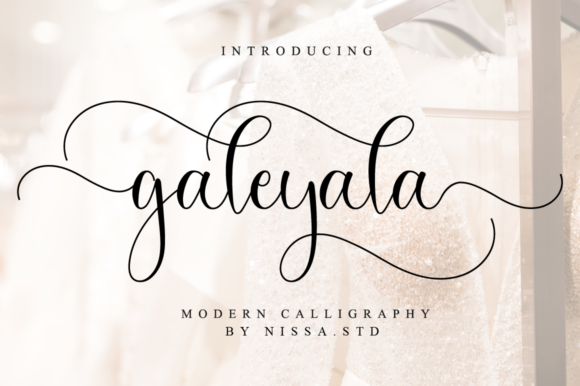
Wedding invitations are another area where Canggu shines. Couples looking for a romantic and personalized touch often opt for this font to write out their names, dates, or special messages. Its flowing lines and soft curves create an elegant and heartfelt atmosphere, making it a popular choice for couples who want their invitations to reflect their unique style.
How to Use Canggu Effectively
To get the most out of Canggu, it’s important to consider how it will be used in your specific project. For example, if you’re designing a poster, you might want to use the font for headings or key phrases to make them stand out. However, it’s best to avoid using it for long blocks of text, as this can reduce readability.
When working with Canggu, it’s also helpful to experiment with different weights and sizes. Some versions of the font come in multiple styles, such as regular, bold, or italic, which can add depth and variation to your design. By mixing and matching these styles, you can create a more dynamic and visually engaging layout.
Additionally, pay attention to the spacing and alignment of your text. Since Canggu has a more organic feel, it may require some adjustments to ensure it looks balanced and professional. Tools like kerning and tracking can help fine-tune the spacing between letters, ensuring that the font maintains its charm without appearing messy or cluttered.
Considerations Before Choosing Canggu
Before adopting Canggu for your project, it’s worth considering a few factors. First, check whether the font is available in the format you need. Some fonts may only be accessible through specific platforms or require a license for commercial use. Make sure to review the terms of use to avoid any legal issues down the line.
Another consideration is the context in which the font will be used. While Canggu is great for creative and personal projects, it may not be suitable for more formal or corporate settings. If you’re designing something that requires a more polished or traditional look, you may want to pair Canggu with a more structured font to achieve the right balance.
Finally, test the font in different environments to see how it performs. Print samples, digital mockups, and real-world applications can all provide valuable insights into how Canggu looks and functions in practice. This step can help you make informed decisions and ensure that the font meets your design goals.
Conclusion
Canggu is more than just a font—it’s a tool that can enhance the visual storytelling of your projects. Its unique combination of style, readability, and versatility makes it a go-to choice for designers across various industries. Whether you’re creating clothing, branding, or wedding invitations, Canggu offers a fresh and authentic alternative to more conventional typefaces. By understanding its strengths and limitations, you can harness its full potential and bring a new level of creativity to your work.